Bukele Religion: An Insight Into The Beliefs Of El Salvador's President
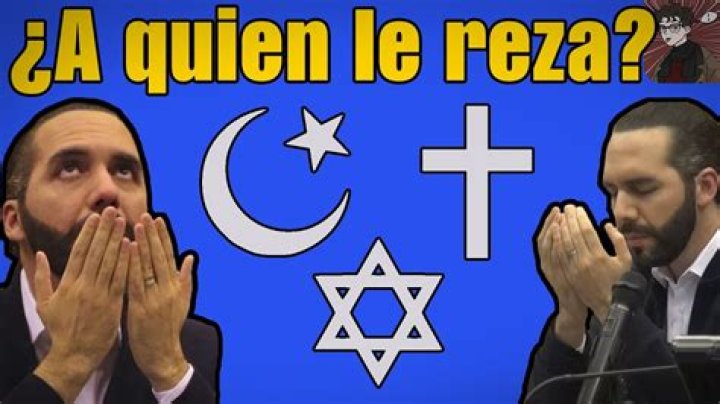
In recent years, the political landscape of El Salvador has dramatically shifted, largely due to the rise of President Nayib Bukele. As a leader who has captured the attention of both his nation and the world, his beliefs and values play a crucial role in understanding his policies and actions. The concept of "bukele religion" has emerged as a term to encapsulate not only Bukele's individual beliefs but also the fervent support he garners from his followers. This article delves into the essence of this phenomenon, exploring its origins, implications, and the societal impact of Bukele's unique approach to governance.
The term "bukele religion" implies a form of devotion that transcends conventional political allegiance. It speaks to the almost cult-like admiration some citizens have for their president, who has positioned himself as a transformative figure for El Salvador. This phenomenon has prompted discussions regarding the intersection of faith and politics in the contemporary world. As we explore the various dimensions of Bukele's influence, it becomes essential to analyze the underlying beliefs that fuel his leadership style and the loyalty he commands among his supporters.
In a nation grappling with economic challenges, violence, and corruption, many Salvadorans have found hope and a sense of purpose in Bukele's vision for the future. By examining the elements that constitute "bukele religion," we can better understand how his rhetoric and actions have resonated with a populace eager for change. This exploration will also highlight the potential consequences of such a strong leader-follower dynamic in the broader context of governance and democracy.
Who is Nayib Bukele?
Nayib Bukele is the 43rd president of El Salvador, having taken office on June 1, 2019. His background is as diverse as his approach to politics, blending elements of innovation and tradition. Before entering the political arena, Bukele served as the mayor of Nuevo Cuscatlán and later as the mayor of San Salvador, where he gained a reputation for his unconventional methods and focus on modernization.
What are Nayib Bukele's Personal Details and Biographical Data?
| Attribute | Details |
|---|---|
| Full Name | Nayib Armando Bukele Ortez |
| Date of Birth | July 24, 1981 |
| Place of Birth | San Salvador, El Salvador |
| Political Party | New Ideas (Nuevas Ideas) |
| Education | Central American University (UCA) |
| Occupation | Politician, Entrepreneur |
What is the Essence of Bukele Religion?
The essence of "bukele religion" can be understood as a blend of political ideology and a personal connection between Bukele and his supporters. This connection is characterized by a shared vision for El Salvador's future, where Bukele is seen as a savior or liberator who transcends traditional political roles. His charisma and ability to communicate via social media platforms have contributed significantly to the formation of this phenomenon.
How Does Bukele Foster Loyalty Among His Supporters?
President Bukele has a unique style of leadership that fosters loyalty among his supporters. Some of the key factors include:
- Direct Communication: Bukele frequently utilizes social media to communicate directly with the public, bypassing traditional media channels. This approach allows him to present his narrative without external interference.
- Populist Rhetoric: His speeches often resonate with the struggles of the everyday Salvadoran, emphasizing themes of hope, progress, and reform.
- Innovative Policies: Bukele has introduced various innovative policies aimed at reducing crime and boosting the economy, which have garnered significant public support.
- Charismatic Persona: His youthful appearance and energetic demeanor appeal to a younger demographic, creating a sense of relatability and trust.
What Role Does Religion Play in Bukele's Leadership?
Religion has always been a significant aspect of Salvadoran culture. Bukele, while not explicitly aligning himself with any particular religious institution, has often invoked religious imagery and language in his speeches. This strategy serves multiple purposes:
- Emotional Resonance: By integrating religious themes, Bukele taps into the deep-rooted faith of many Salvadorans, fostering a sense of shared values and purpose.
- Legitimacy: Associating his actions with a higher moral authority can enhance his legitimacy as a leader, especially in a predominantly Christian nation.
- Unity: Emphasizing common beliefs can help bridge divides within the country, promoting a sense of national unity.
How Has Bukele Religion Evolved Over Time?
The evolution of "bukele religion" is a reflection of the changing dynamics in El Salvador. Initially, his rise to power was marked by a wave of optimism and hope. However, as his administration has faced challenges, the nature of this devotion has also transformed:
- From Hope to Expectation: Supporters initially saw Bukele as a beacon of hope. As time has passed, expectations for rapid change and improvement have grown.
- Criticism and Resilience: While facing criticism for various policies, his supporters have often rallied around him, viewing criticism as an attack on their shared vision.
- Adaptation: Bukele has adapted his messaging and policies in response to changing circumstances, demonstrating a willingness to evolve while maintaining core beliefs.
What are the Implications of Bukele Religion on Salvadoran Society?
The implications of "bukele religion" on Salvadoran society are profound and multifaceted. While it has galvanized support for his administration and fostered a sense of unity among followers, it also raises questions about the nature of democratic governance and the role of charismatic leadership:
- Polarization: The fervent loyalty to Bukele has led to a polarized political landscape, where dissenting voices may be marginalized.
- Accountability: A strong leader-follower dynamic can sometimes diminish checks and balances, leading to potential abuses of power.
- Future of Democracy: The rise of "bukele religion" poses challenges for the future of democracy in El Salvador, as it blurs the lines between political allegiance and personal devotion.
Can Bukele Religion Shape the Future of El Salvador?
The future of El Salvador remains uncertain, and the role of "bukele religion" will undoubtedly play a significant part in shaping its trajectory. As President Bukele continues to navigate the complexities of governance, the loyalty and devotion of his supporters will be tested. The resilience of this phenomenon may ultimately depend on his ability to deliver on the promises that have inspired such fervent devotion in the first place.
In conclusion, "bukele religion" represents more than just a catchphrase; it symbolizes a new chapter in El Salvador's political narrative, where personal connection and shared beliefs intertwine with governance. As the nation continues to evolve, understanding the implications of this phenomenon will be crucial for both supporters and critics alike.
Discovering The Life Of Wissam Al Mana's Daughter
Exploring The Intricate Background Of Joyner Lucas
Unveiling The Layers Of Eric Clapton's Personal Life