Reflections Of Reality: The Full Mirror Scene In Art And Life
The full mirror scene is a captivating and multifaceted concept that transcends the boundaries of art, literature, and life itself. It serves as a powerful metaphor for self-reflection, introspection, and the exploration of identity. From the polished surfaces of classical paintings to the raw emotional displays in contemporary film, the full mirror scene invites viewers to confront their true selves, often revealing hidden layers of emotion and thought. This intriguing visual and narrative technique has been employed by various artists and storytellers to create profound connections with their audience.
In this discussion, we will delve into the significance of the full mirror scene, exploring its diverse applications across different mediums. Through various examples, we will examine how the full mirror scene can evoke a sense of vulnerability, encourage self-examination, and ultimately foster personal growth. By understanding this powerful imagery, we can appreciate its role in shaping our perceptions of ourselves and the world around us.
As we journey through the realms of art, literature, and film, we will uncover the emotional depth and complexity that the full mirror scene can convey. Whether it is used to highlight a character's internal struggle or to emphasize the dichotomy between reality and perception, the full mirror scene remains a poignant symbol of self-discovery. Join us as we reflect on the significance of this captivating concept and its enduring impact on our understanding of self and society.
What is the Full Mirror Scene?
The full mirror scene refers to a moment in storytelling or visual art where a character engages with their reflection in a way that prompts introspection and self-awareness. This moment often serves as a critical turning point, allowing characters to confront their inner conflicts, desires, and fears. The imagery of a full mirror facilitates a deeper understanding of one's identity and can lead to transformative experiences.
How is the Full Mirror Scene Used in Literature?
In literature, the full mirror scene often appears as a moment of revelation for characters. Authors use this device to symbolize a character's journey toward self-acceptance or to highlight the tension between their public persona and private self. Here are some notable examples:
- Virginia Woolf's "Mrs. Dalloway" - The protagonist’s interactions with mirrors reveal her internal struggles with identity and societal expectations.
- F. Scott Fitzgerald's "The Great Gatsby" - The mirror serves as a metaphor for Gatsby's unattainable dreams and the facade he presents to the world.
- Charlotte Perkins Gilman's "The Yellow Wallpaper" - The protagonist's reflection becomes a haunting reminder of her mental state and societal constraints.
Can You Find Examples of Full Mirror Scenes in Film?
Film is another medium where the full mirror scene plays a significant role. Directors utilize this visual motif to create impactful moments of realization and emotional depth. Some notable examples include:
- "Black Swan" (2010) - The protagonist’s encounters with her mirror illustrate her descent into madness and the struggle for identity.
- "Fight Club" (1999) - The mirror scenes highlight the protagonist’s fractured identity and the conflict between his true self and societal expectations.
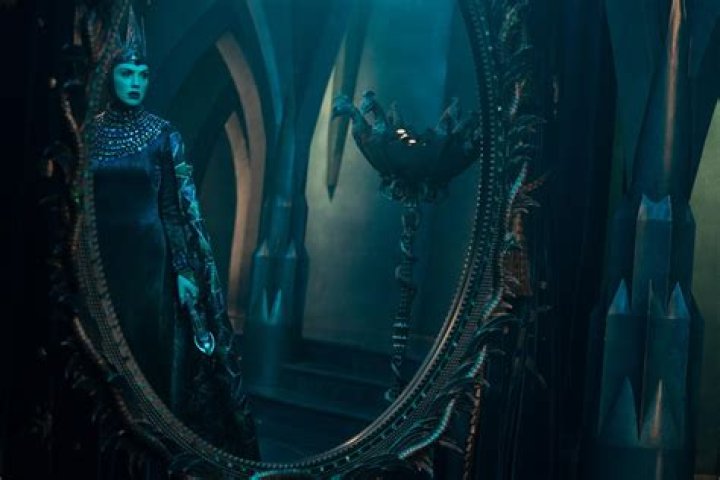
- "Snow White and the Seven Dwarfs" (1937) - The Evil Queen’s obsession with her reflection serves as a metaphor for vanity and the dangers of self-obsession.
Biography: Who Created the Full Mirror Scene?
The concept of the full mirror scene has been explored by numerous artists, writers, and filmmakers throughout history. However, one prominent figure who has significantly contributed to this narrative device is Virginia Woolf. Woolf's innovative approach to character development and her use of stream-of-consciousness writing helped to elevate the full mirror scene as a tool for exploring complex themes of identity and self-perception.
| Name | Virginia Woolf |
|---|---|
| Born | January 25, 1882 |
| Died | March 28, 1941 |
| Occupation | Author, Essayist |
| Notable Works | "Mrs. Dalloway," "To the Lighthouse," "Orlando" |
What Themes are Explored in Full Mirror Scenes?
The themes that emerge from the full mirror scene are varied and rich, often delving into the complexities of human nature. Some of the most prominent themes include:
- Identity and Self-Perception - The full mirror scene challenges characters to confront their true selves, often leading to moments of enlightenment or despair.
- Societal Expectations - Characters frequently grapple with the pressures of conforming to societal norms, as reflected in their interactions with mirrors.
- Illusion vs. Reality - The mirror serves as a tool for exploring the dichotomy between how characters perceive themselves and how they are perceived by others.
- Transformation and Growth - Moments of self-reflection often lead to personal growth, as characters navigate their internal struggles.
How Does the Full Mirror Scene Impact Audiences?
The full mirror scene holds a powerful influence over audiences, evoking empathy, introspection, and a deeper understanding of the human experience. By witnessing characters confront their reflections, viewers are encouraged to examine their own identities and the complexities of their lives. This connection fosters a sense of shared humanity, bridging the gap between the characters on screen and the audience in the theater.
What Can We Learn from the Full Mirror Scene?
Ultimately, the full mirror scene serves as a poignant reminder of the importance of self-reflection and the journey toward self-acceptance. By embracing the lessons embedded within these moments, we can cultivate a greater understanding of ourselves and the world around us. Here are some takeaways:
- Embrace Vulnerability - The full mirror scene highlights the necessity of confronting our fears and insecurities.
- Seek Self-Awareness - Engaging with our reflections encourages personal growth and a deeper understanding of our motivations and desires.
- Foster Empathy - Recognizing the struggles of others as they navigate their own reflections can lead to greater compassion and understanding.
Conclusion: The Enduring Power of the Full Mirror Scene
The full mirror scene stands as a powerful symbol of self-discovery, illuminating the complex relationship between identity and perception. As we explore its significance across various artistic mediums, we uncover profound insights into the human experience. By embracing the lessons inherent in the full mirror scene, we can embark on our own journeys of self-exploration and growth, fostering deeper connections with ourselves and those around us.
Unraveling The Mystery Of Camavinga's Wife Age
Exploring The Intricacies Of Kim Jung-hyun's Relationships
Exploring The Life Of Jayson Tatum And His Couple Dynamics
PÖFF BNFF
The Mirror
Mirror YouTube