The Legacy Of The Al Saud Familie: A Deep Dive Into Their Influence And History
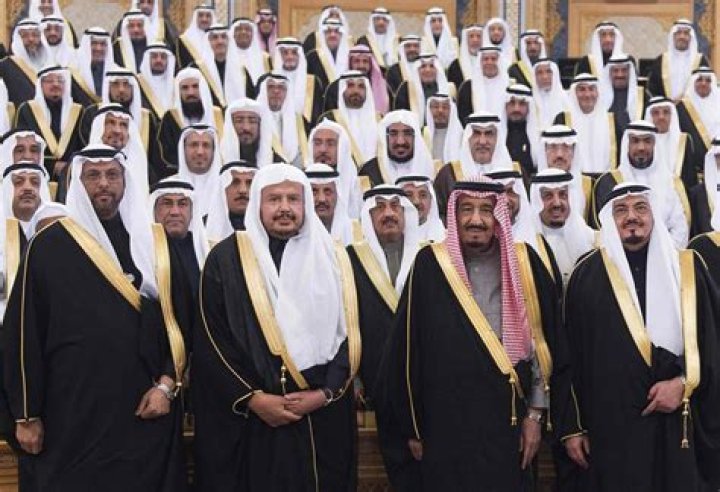
The Al Saud Familie is a name that resonates with power, tradition, and influence, not only in Saudi Arabia but across the globe. This royal family, which has ruled the Kingdom since its establishment, has been pivotal in shaping the political, economic, and social landscape of the Middle East. Their legacy is steeped in rich history, intricate family dynamics, and a significant role in modern geopolitics.
Throughout the years, the Al Saud Familie has faced numerous challenges and changes, yet they have managed to remain a cornerstone of stability in the region. The family's history is interwoven with the rise of Islam, the discovery of oil, and the subsequent transformation of Saudi Arabia into a global powerhouse. Understanding the nuances of their lineage helps shed light on the current dynamics within the Kingdom and its governance.
As we explore the Al Saud Familie, we uncover not just the lineage of kings and leaders but also the cultural, economic, and social contributions they have made to both their nation and the world. From their founding principles to their modern-day governance, the Al Saud Familie represents a fascinating blend of tradition and modernity, which continues to captivate historians, political analysts, and the general public.
What is the History of the Al Saud Familie?
The origins of the Al Saud Familie can be traced back to the 18th century when Muhammad bin Saud established the first Saudi state in 1744. This marked the beginning of a dynasty that would see its influence expand dramatically over the centuries. The family has played a crucial role in the establishment of the Kingdom of Saudi Arabia, with Abdulaziz Ibn Saud unifying the various tribes and regions into one nation in 1932.
Key Historical Events Involving the Al Saud Familie
- The establishment of the first Saudi state (1744)
- Unification of Saudi Arabia under Abdulaziz Ibn Saud (1932)
- Discovery of oil and its implications for the Kingdom (1938)
- The establishment of diplomatic relations with the United States (1933)
How Did the Al Saud Familie Influence Modern Saudi Arabia?
The Al Saud Familie's influence extends beyond mere governance; they have also shaped the socio-economic fabric of modern Saudi Arabia. The discovery of oil in the late 1930s transformed the Kingdom's economy, leading to unprecedented wealth and development. The family has strategically used these resources to modernize the country, invest in infrastructure, and enhance the quality of life for its citizens.
Who are the Prominent Members of the Al Saud Familie?
The Al Saud Familie is vast, comprising numerous branches and members. Key figures include:
| Name | Position | Born | Notable Achievement |
|---|---|---|---|
| King Salman bin Abdulaziz | King of Saudi Arabia | 1935 | Modernization initiatives in Vision 2030 |
| Crown Prince Mohammed bin Salman | Crown Prince of Saudi Arabia | 1985 | Economic reforms and diversification efforts |
| Prince Alwaleed bin Talal | Business Tycoon | 1955 | Global investments in various sectors |
What Role Does the Al Saud Familie Play in Saudi Politics?
The Al Saud Familie plays a critical role in the governance of Saudi Arabia, with the King serving as both the head of state and the head of government. The family maintains a complex power structure that includes various councils and advisory bodies to assist in decision-making processes. This ensures that the family's interests align with the nation's stability and progress.
How Has the Al Saud Familie Adapted to Global Changes?
With globalization comes the need for adaptation. The Al Saud Familie has recognized the importance of engaging with the international community. Initiatives like Vision 2030, led by Crown Prince Mohammed bin Salman, aim to diversify the economy, reduce dependence on oil, and promote tourism and entertainment. The family’s willingness to embrace change reflects their understanding of global trends and the necessity for modernization.
What Challenges Has the Al Saud Familie Faced?
Despite their enduring legacy, the Al Saud Familie has faced several challenges, including political unrest, regional conflicts, and social demands for reform. The Arab Spring highlighted the need for change, prompting the family to consider reforms that would address the burgeoning youth population's aspirations. Balancing tradition with the expectations of a modern society remains a significant task for the family.
How Does the Al Saud Familie Influence International Relations?
The Al Saud Familie wields considerable influence in international relations, particularly in the Middle East. Saudi Arabia's strategic position as a leading oil producer gives the family substantial leverage in global markets. The Kingdom's role in organizations such as OPEC and its partnerships with Western nations, particularly the United States, underscore the family's diplomatic significance.
What Is the Future of the Al Saud Familie?
The future of the Al Saud Familie hinges on their ability to navigate a rapidly changing world. As the Kingdom continues to modernize, the family faces the challenge of remaining relevant while upholding their traditional values. The ongoing reforms under Vision 2030 indicate a commitment to progress, and how effectively the family adapts will significantly impact Saudi Arabia's trajectory in the years to come.
In conclusion, the Al Saud Familie stands as a testament to the complexities of monarchy in the modern age. Their historical significance, coupled with their strategic initiatives for the future, will undoubtedly continue to shape not only Saudi Arabia but also the broader Middle East for generations to come.
The Wonderful World Of Clooney Kids: Growing Up In The Spotlight
Unveiling The Mystery: How Much Does Tyla Weigh?
Discovering The Life Of Rosanna Carter: A Journey Through Her Achievements And Passion