Understanding Down Syndrome Treatment: A Comprehensive Guide
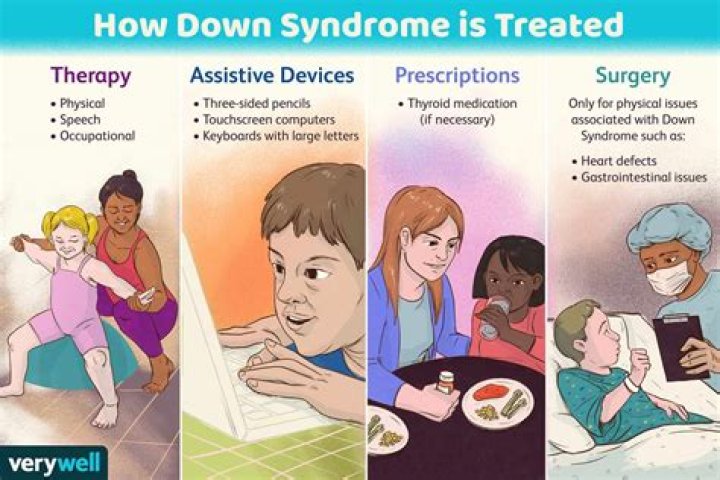
Down syndrome, a genetic condition caused by the presence of an extra chromosome, affects millions of individuals and their families worldwide. Understanding the various treatment options available can significantly enhance the quality of life for those affected. This article explores the multifaceted approach to Down syndrome treatment, focusing on therapies, educational support, and community resources that can make a meaningful difference. The importance of early intervention and personalized care cannot be overstated, as they play crucial roles in helping individuals with Down syndrome achieve their potential. By providing a comprehensive overview of Down syndrome treatment options, we aim to empower families and individuals with valuable information and resources.
From speech therapy to occupational therapy, numerous interventions can help individuals with Down syndrome develop essential skills and lead fulfilling lives. Additionally, understanding the emotional and psychological aspects of the condition is vital, as individuals with Down syndrome often face unique challenges and social stigmas. This article will delve deeper into the various treatments available, their effectiveness, and how they can be tailored to meet the specific needs of each individual.
Finally, we will highlight the importance of community support, educational opportunities, and the role of advocacy in promoting awareness and inclusion for those with Down syndrome. With the right resources and support, individuals with Down syndrome can thrive and contribute positively to society. Let’s embark on this journey to explore the world of Down syndrome treatment and the possibilities it holds for those affected.
What is Down Syndrome?
Down syndrome is a genetic disorder caused by the presence of an extra copy of chromosome 21, leading to physical and intellectual challenges. The severity of these challenges varies widely among individuals, but common characteristics include distinct facial features, developmental delays, and potential health issues such as heart defects. Understanding the nature of Down syndrome is crucial for developing effective treatment plans tailored to each individual's needs.
What Are the Common Treatments for Down Syndrome?
Down syndrome treatment is not one-size-fits-all, as each individual may require different interventions based on their specific needs. Here are some common treatments:
- Physical Therapy: Helps improve motor skills and physical strength.
- Speech Therapy: Aids in developing communication skills.
- Occupational Therapy: Focuses on daily living skills and independence.
- Special Education Programs: Tailored educational support to enhance learning.
- Behavioral Therapy: Addresses social skills and behavioral issues.
How Can Early Intervention Make a Difference?
Research has shown that early intervention significantly improves outcomes for children with Down syndrome. By starting treatment during infancy or early childhood, families can help their children develop essential skills and abilities. Early intervention services may include:
- Home visits by therapists.
- Support for parents and caregivers.
- Access to developmental screenings and assessments.
What Role Does Education Play in Down Syndrome Treatment?
Education is a crucial component of Down syndrome treatment, as it provides individuals with the knowledge and skills necessary for independence. Inclusive education programs that integrate students with Down syndrome into mainstream classrooms can foster social skills and improve academic performance. Furthermore, specialized programs designed for children with Down syndrome can provide targeted support. Key aspects of educational treatment options include:
- Individualized Education Plans (IEPs).
- Access to special education teachers.
- Peer mentorship opportunities.
Are There Psychological Treatments Available?
In addition to physical and educational interventions, psychological treatments play a vital role in Down syndrome treatment. Individuals with Down syndrome may face emotional challenges, including anxiety and depression. Psychological support can include:
- Counseling and therapy.
- Social skills training.
- Support groups for individuals and families.
What Are the Latest Advances in Down Syndrome Treatment?
Recent research has led to exciting advancements in Down syndrome treatment, focusing on enhancing cognitive abilities and overall quality of life. Some of these developments include:
- Pharmaceutical interventions aimed at increasing cognitive function.
- Innovative therapies using technology, such as virtual reality.
- Genetic research aimed at understanding the underlying mechanisms of Down syndrome.
How Can Community Support Enhance Treatment Outcomes?
Community support plays a crucial role in the overall treatment of individuals with Down syndrome. By fostering inclusive environments and providing resources, communities can help individuals thrive. Ways to enhance community support include:
- Advocacy for policy changes to support inclusion.
- Creating awareness campaigns to reduce stigma.
- Establishing support groups for families.
What Are Some Personal Stories of Individuals with Down Syndrome?
Personal stories can provide valuable insights into the lives of individuals with Down syndrome and their treatment journeys. One inspiring figure is Chris Nikic, the first person with Down syndrome to complete an Ironman triathlon. His achievements highlight the potential for individuals with Down syndrome to break barriers and inspire others. Below is a brief biography of Chris Nikic:
| Personal Details | Bio Data |
|---|---|
| Name | Chris Nikic |
| Date of Birth | November 5, 1999 |
| Achievements | First person with Down syndrome to complete an Ironman triathlon |
| Inspiration | Advocacy for individuals with disabilities |
How Can Families Support Their Loved Ones with Down Syndrome?
Families play a crucial role in the treatment and support of individuals with Down syndrome. Here are some ways families can help:
- Encouraging participation in therapy sessions.
- Promoting social interactions with peers.
- Educating themselves about Down syndrome and available resources.
In conclusion, Down syndrome treatment is a multifaceted approach that encompasses physical, educational, psychological, and community support. By understanding the various options available and advocating for their loved ones, families can significantly enhance the quality of life for individuals with Down syndrome. With the right treatment and support, individuals with Down syndrome can lead fulfilling and meaningful lives, breaking barriers and inspiring others along the way.
T.J. Thyne's Journey As A Father: A Look Into His Children
Unraveling The Heritage: What's Bellingham's Ethnicity?
Discovering Mkvmovies Point: Your Gateway To Free Movies And More
:max_bytes(150000):strip_icc()/treatment-of-down-syndrome-1120461-v1-deadca996c71459ea361567811088bf8.jpg)
How Down Syndrome Is Treated
Global Adult Down Syndrome Clinic Provides Critical Resources and
Down Syndrome Treatment Home Plan Available IIAHP Therapy