Unraveling The Dieselgate Scandal: A Deep Dive Into The Emissions Crisis
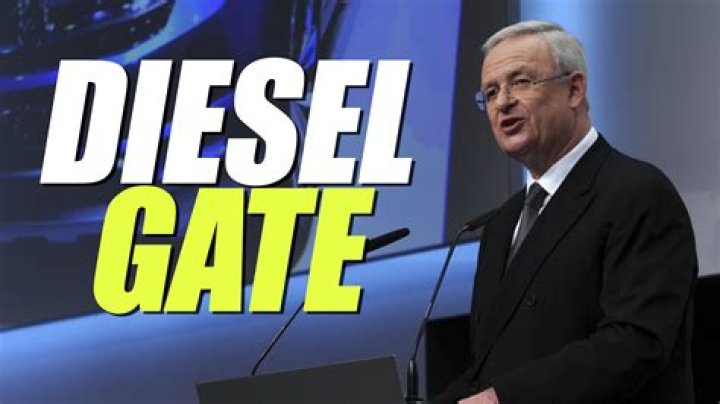
In September 2015, the automotive industry faced a seismic shift when the term "dieselgate" made its debut. This scandal, involving Volkswagen (VW), revealed a widespread deception regarding diesel vehicle emissions, impacting millions of cars worldwide. The revelation not only shook consumer trust but also raised critical questions about corporate ethics, environmental regulations, and the future of diesel technology. As the story unfolded, it became clear that dieselgate was much more than a simple case of corporate malfeasance; it was a complex narrative involving regulators, engineers, and the very fabric of the automotive industry.
At the heart of dieselgate was a sophisticated scheme where VW installed software in its diesel engines designed to cheat emissions tests. This manipulation allowed their vehicles to pass regulatory scrutiny while actually emitting pollutants far above legal limits during regular driving conditions. The fallout from dieselgate extended beyond VW, sparking a global conversation about environmental responsibility and the integrity of the automotive sector. As investigations unfolded, it became evident that the consequences of dieselgate would reverberate through the industry for years to come.
The implications of dieselgate reached far beyond the immediate financial penalties faced by VW. It prompted regulatory bodies worldwide to re-evaluate emission testing procedures and hold automakers accountable for their practices. Additionally, the scandal ignited a push for cleaner technologies and alternative fuels, ushering in a new era for the automotive industry. In this article, we will explore the details of dieselgate, its impact on consumers and the environment, and the ongoing efforts to ensure accountability in the automotive sector.
What Led to the Dieselgate Scandal?
The origins of dieselgate can be traced back to VW's ambition to dominate the diesel market in the United States. Diesel engines, known for their fuel efficiency and lower CO2 emissions, were seen as a vital component of VW's strategy to compete with gasoline-powered vehicles. However, as regulatory standards tightened, VW faced increasing pressure to meet stringent emissions requirements.
How Did Volkswagen Manipulate Emissions Tests?
Volkswagen's approach involved the installation of defeat devices—software that detected when the vehicle was undergoing emissions testing. During these tests, the software would alter engine performance to comply with regulations. However, during regular driving, the vehicles emitted pollutants up to 40 times higher than the allowed limits. This deception was not an isolated incident but rather a coordinated effort involving multiple departments within the company.
Who Were the Key Players in the Dieselgate Scandal?
- Martin Winterkorn: The then-CEO of VW, who resigned shortly after the scandal broke.
- James Liang: A VW engineer who pleaded guilty to conspiracy to defraud the United States.
- Regulatory Bodies: The EPA and CARB played crucial roles in uncovering the scandal.
- Consumers: Millions of car owners who felt betrayed by the company's actions.
What Were the Consequences of Dieselgate?
Dieselgate had far-reaching consequences for Volkswagen and the automotive industry as a whole. The company faced billions in fines, legal settlements, and vehicle recalls. Additionally, the scandal damaged VW's reputation, leading to a significant decline in sales and consumer trust.
How Did Dieselgate Impact Environmental Regulations?
The scandal prompted a re-evaluation of emissions testing procedures worldwide. Regulators recognized the need for more rigorous testing methods that would prevent similar deceptions in the future. This shift aimed to ensure that automakers could not exploit loopholes to circumvent environmental standards.
What Changes Did Volkswagen Implement Post-Scandal?
In response to the fallout from dieselgate, Volkswagen committed to significant changes within the company:
- Investment in Electric Vehicles: VW announced plans to invest heavily in electric vehicle technology as part of its strategy to transition away from diesel.
- Corporate Culture Shift: The company undertook efforts to foster a culture of transparency and ethical behavior.
- Enhanced Compliance Measures: New compliance protocols were established to prevent future misconduct.
What Lessons Can Be Learned from Dieselgate?
Dieselgate serves as a cautionary tale for corporations worldwide. The scandal underscores the importance of ethical practices and transparency in business operations. It also highlights the need for regulatory bodies to remain vigilant and adaptable in the face of evolving technologies and corporate tactics.
How Has Dieselgate Shaped the Future of the Automotive Industry?
The implications of dieselgate extend beyond VW, as the scandal has catalyzed significant changes within the automotive landscape. The shift towards electric vehicles and sustainable technologies has gained momentum, compelling manufacturers to prioritize environmentally friendly practices. Consumers are increasingly demanding accountability from automakers, further driving the industry towards a greener future.
Will Dieselgate Have Lasting Effects on Consumer Trust?
As the dust settles, the question remains: will dieselgate have a lasting impact on consumer trust in the automotive industry? The answer is complex, as the scandal has undoubtedly damaged reputations but has also spurred positive changes in corporate practices and consumer awareness. Moving forward, transparency and accountability will be essential in rebuilding trust and ensuring that similar scandals do not unfold in the future.
Unveiling The Family Life Of Jey Uso: How Many Children Does He Have?
Kaitlyn Krems: A Rising Star In The Spotlight
Discovering The Vibrant Scene Of Skipthegames Jackson Michigan
Events rocking the world Dieselgate, CAR+ November 2015 CAR Magazine
Dieselgate Car Reviews
Volkswagen Dieselgate Graveyards Grow to Over 300,000 Cars Across U.S.